What is a 14-day de-addiction program?
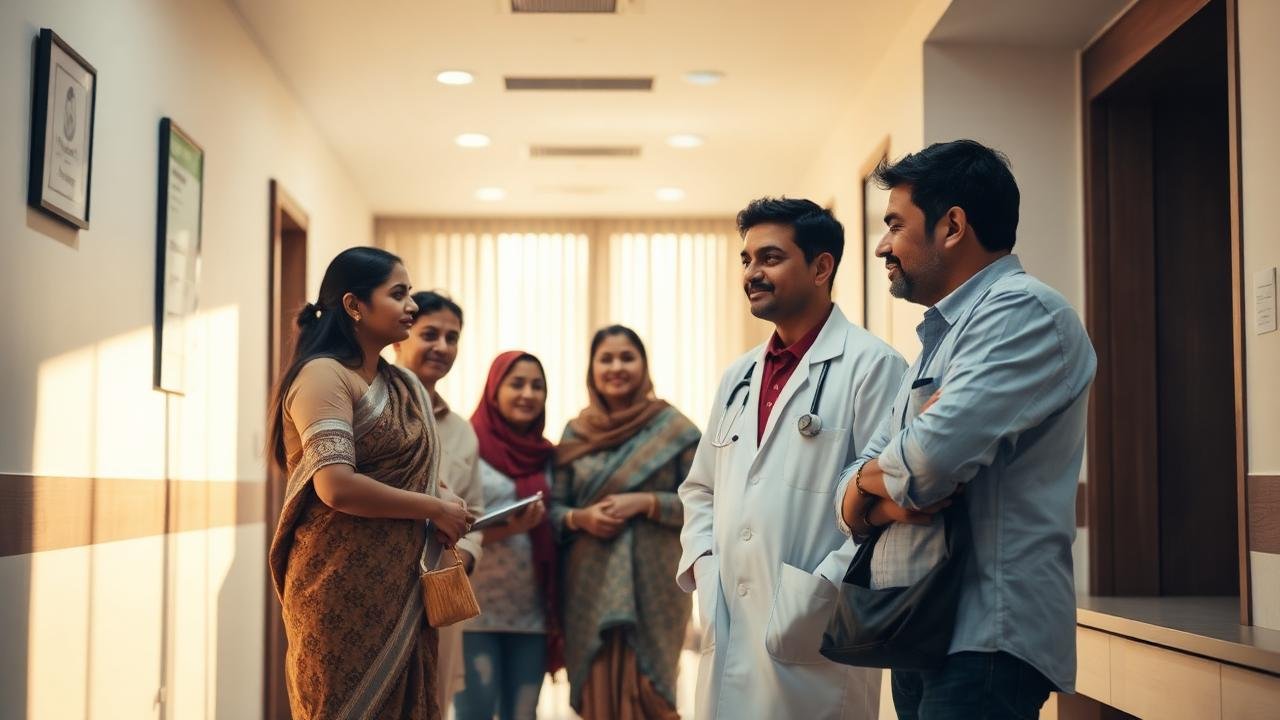
A 14-day program can serve as an intensive initial phase of addiction treatment for carefully selected patients. It should never be presented as a guaranteed 14-day cure. The aim is to assess the patient, safely manage the period after substance cessation, begin psychological treatment, involve the family and build a longer-term recovery plan.
Stage 1: Comprehensive assessment
Treatment begins by understanding the substance consumed, quantity and frequency, duration of dependence, last use, previous withdrawal symptoms, earlier treatment attempts, other substance use, medical conditions, mental-health symptoms and current medicines.
Stage 2: Withdrawal management
Where physical dependence has developed, stopping can cause withdrawal. Alcohol withdrawal may involve tremors, sweating, anxiety, nausea and disturbed sleep; severe withdrawal can include seizures, marked confusion or delirium. A heavily dependent person should not simply be told to stop at home without assessing risk.
Stage 3: Physical stabilisation
Early days focus on monitoring, sleep, nutrition, hydration, prescribed medication and treating associated health problems. As the patient becomes medically stable, attention moves toward psychological recovery.
Stage 4: Understanding the addiction cycle
Treatment maps the cycle of trigger, craving, use, temporary relief, negative consequence and renewed trigger. Recognising this pattern is central to preventing relapse.
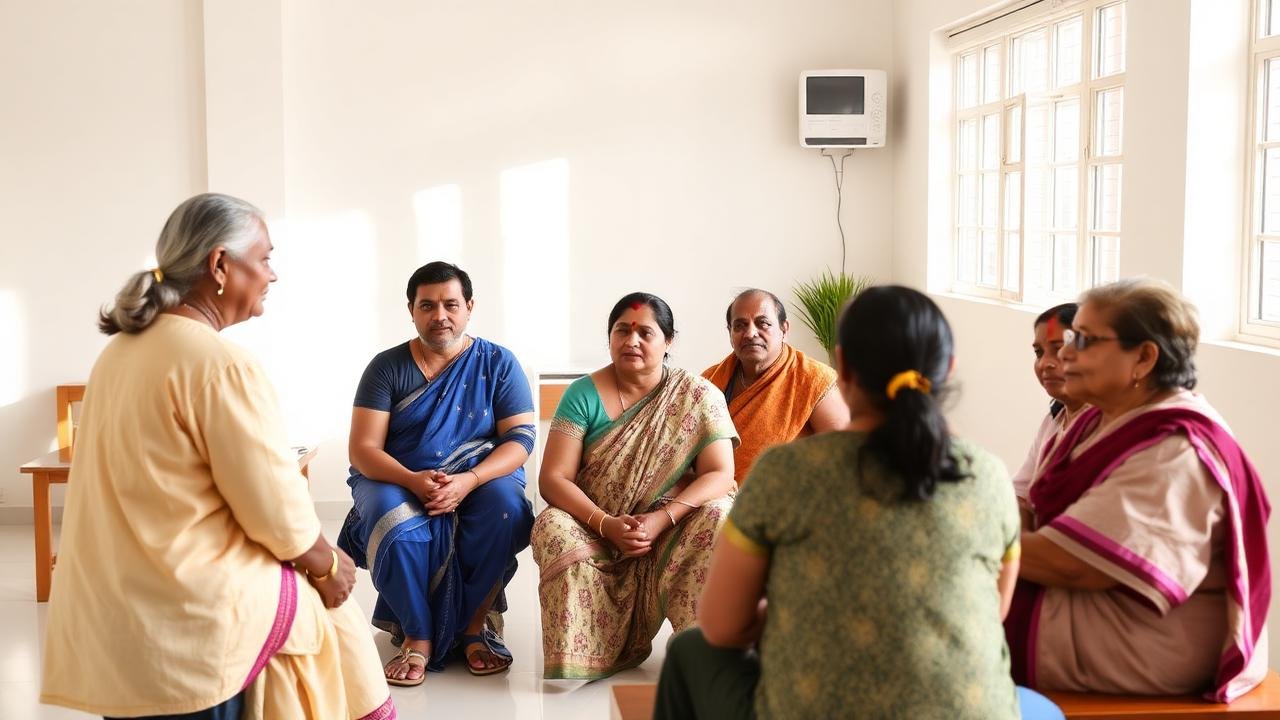
Stage 5: Counselling and motivation
Counselling helps the patient understand how substance use developed, which situations trigger it, its consequences, how to manage cravings, what alternative coping strategies exist and why continuing recovery is worth it.
Stage 6: Family counselling
Family sessions cover communication, boundaries, financial control, triggers, enabling behaviours and how to respond if warning signs reappear.
Stage 7: Relapse prevention
Before discharge the patient should have a written plan: personal triggers, high-risk situations to avoid, prescribed medication, follow-up consultations, ongoing counselling, family involvement and a clear response plan for cravings or a lapse.
Is 14 days enough?
There is no universal answer. For some patients 14 days provides a strong intensive start. Others need longer inpatient care or continuing outpatient rehabilitation. Recovery usually continues well beyond discharge.
Frequently asked questions
Is 14-day treatment a guaranteed cure?
No. It is an intensive treatment phase, not a guarantee.
What happens after 14 days?
Treatment continues through follow-up consultations, medicines, counselling, family sessions and relapse-prevention support.
Can someone relapse after a 14-day program?
Yes, which is exactly why structured aftercare matters.
Note: This article is for general information and awareness only and is not medical advice, diagnosis or treatment. Alcohol and drug dependence should be assessed and treated by qualified healthcare professionals. In an emergency, seek immediate medical attention.