How do you choose the right de-addiction centre?
The right de-addiction centre in Delhi NCR should do far more than keep a person away from alcohol or drugs. Addiction can involve physical dependence, withdrawal symptoms, cravings, behavioural change, family conflict and associated mental-health conditions, so treatment has to be built around the individual patient.
A comprehensive program may include medical assessment, supervised withdrawal management when required, psychiatric evaluation, medicines where clinically appropriate, psychological interventions, family counselling and relapse-prevention planning.
1. Look for proper medical assessment
Before admission the treatment team should understand which substance is being used, how much and how often, how long dependence has existed, previous attempts to stop, earlier withdrawal symptoms, other substance use, medical conditions and mental-health symptoms.
This assessment is what determines whether outpatient treatment may be appropriate or whether inpatient care should be considered.
2. Ask about medically supervised detox
Detoxification and rehabilitation are not the same thing. Detox focuses on managing withdrawal and helping a patient become medically stable after reducing or stopping a substance. Rehabilitation addresses the psychological, behavioural, family and social factors behind continued use and relapse.
For some substances, particularly alcohol, withdrawal can occasionally become serious. Patients at risk of severe withdrawal, or those with significant medical or psychiatric illness or inadequate support at home, may need inpatient management.
3. Check for psychiatric support
Addiction can coexist with depression, anxiety, bipolar disorder, psychosis and sleep disorders. When substance dependence and another mental-health disorder occur together it is commonly called dual diagnosis, and both conditions need appropriate assessment and treatment.
4. Ask what happens beyond detox
Stopping alcohol or drugs is only the beginning of recovery. An effective program should address why the person repeatedly returns to substance use through counselling, motivational interventions, behavioural therapy, medication when appropriate and relapse-prevention strategies.
5. Family involvement matters
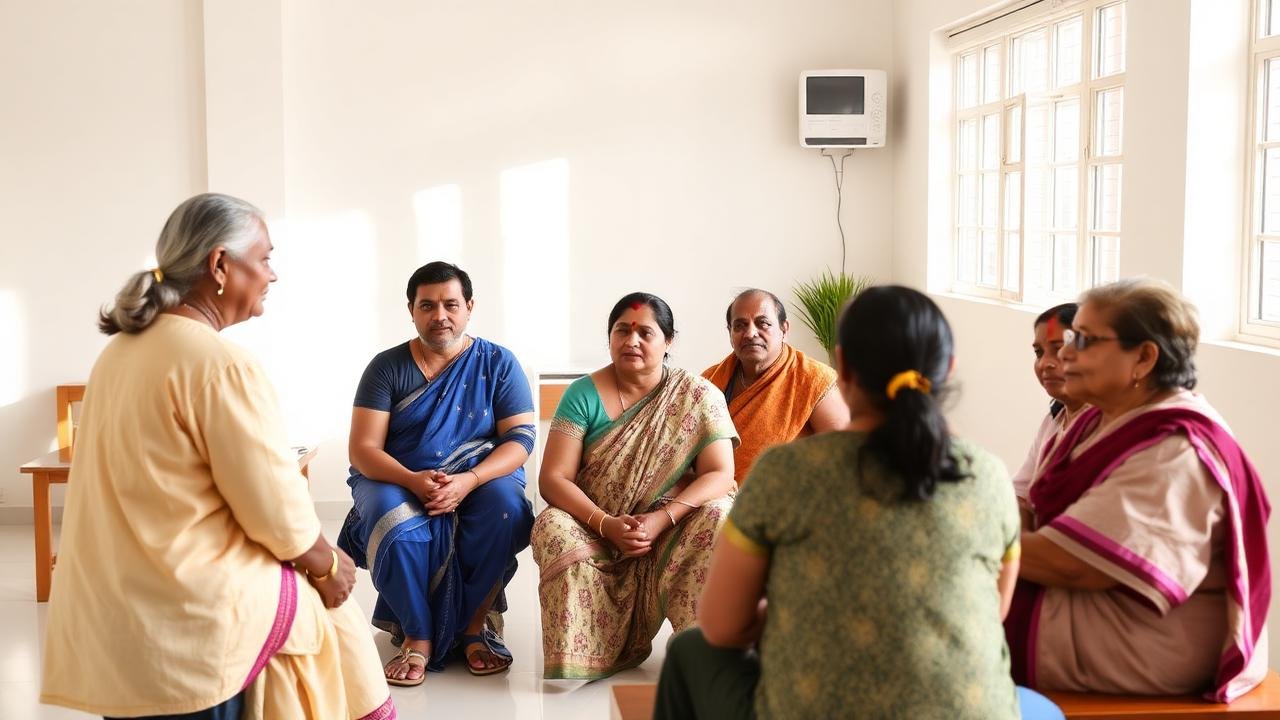
Addiction rarely affects only one person. Parents, spouses, children and siblings may live with years of arguments, financial strain, broken trust and emotional distress. A structured program should help families understand addiction, recognise triggers, set appropriate boundaries and identify early signs of relapse.
6. Be careful with guaranteed-cure claims
Be cautious about promises such as “100% cure in 7 days” or “permanent recovery in 14 days”. Recovery cannot responsibly be guaranteed for every patient within a fixed number of days. A 14-day program may be a useful intensive or stabilisation phase, but longer treatment and follow-up may still be required.
Delhi NCR accessibility
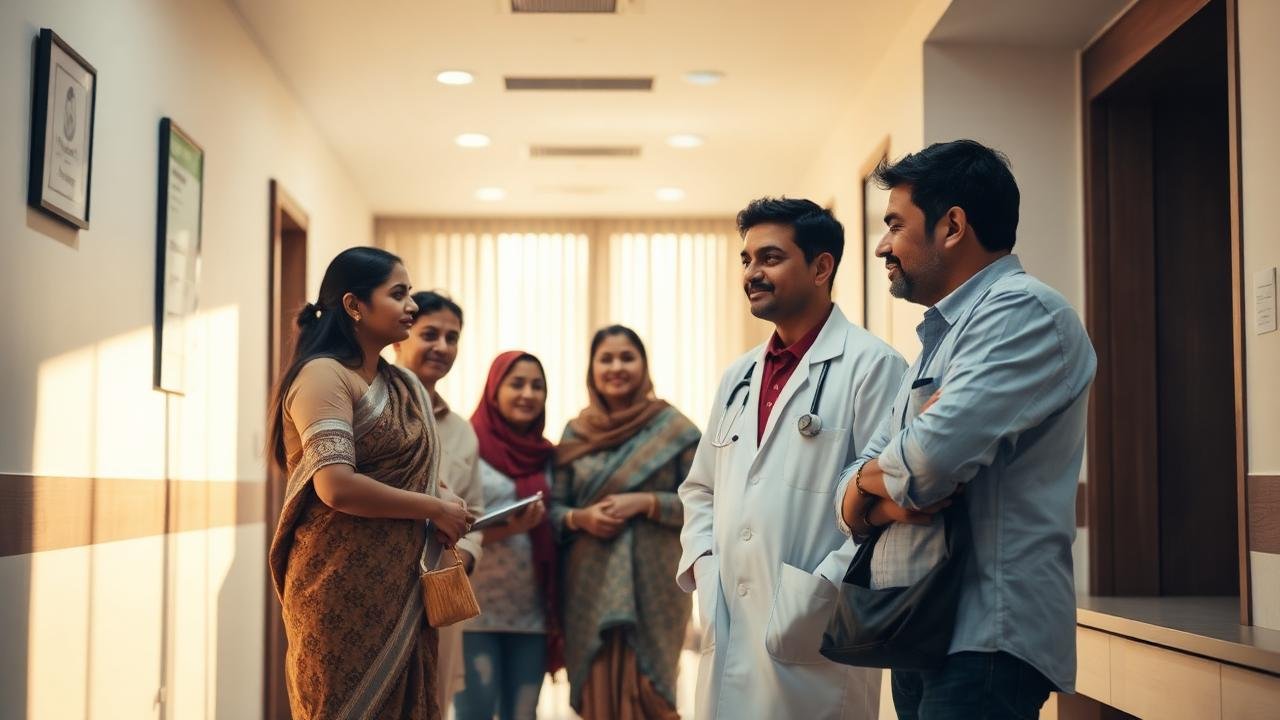
For families in Delhi, Noida, Greater Noida, Ghaziabad, Gurugram and Faridabad, accessibility matters — especially when family counselling and follow-up visits are involved. But location should not be the only criterion. Quality and appropriateness of care matter more than proximity.
Frequently asked questions
Which de-addiction centre is best in Delhi NCR?
There is no single centre that is best for everyone. Look for qualified professionals, appropriate withdrawal management, counselling, family involvement and structured aftercare.
Does everyone need admission?
No. Some patients can be treated on an outpatient basis, while others benefit from inpatient treatment. A clinical assessment decides this.
Is detox enough to cure addiction?
Detox addresses withdrawal and physical stabilisation. Longer-term recovery usually needs psychological, behavioural, pharmacological and social interventions.
Note: This article is for general information and awareness only and is not medical advice, diagnosis or treatment. Alcohol and drug dependence should be assessed and treated by qualified healthcare professionals. In an emergency, seek immediate medical attention.