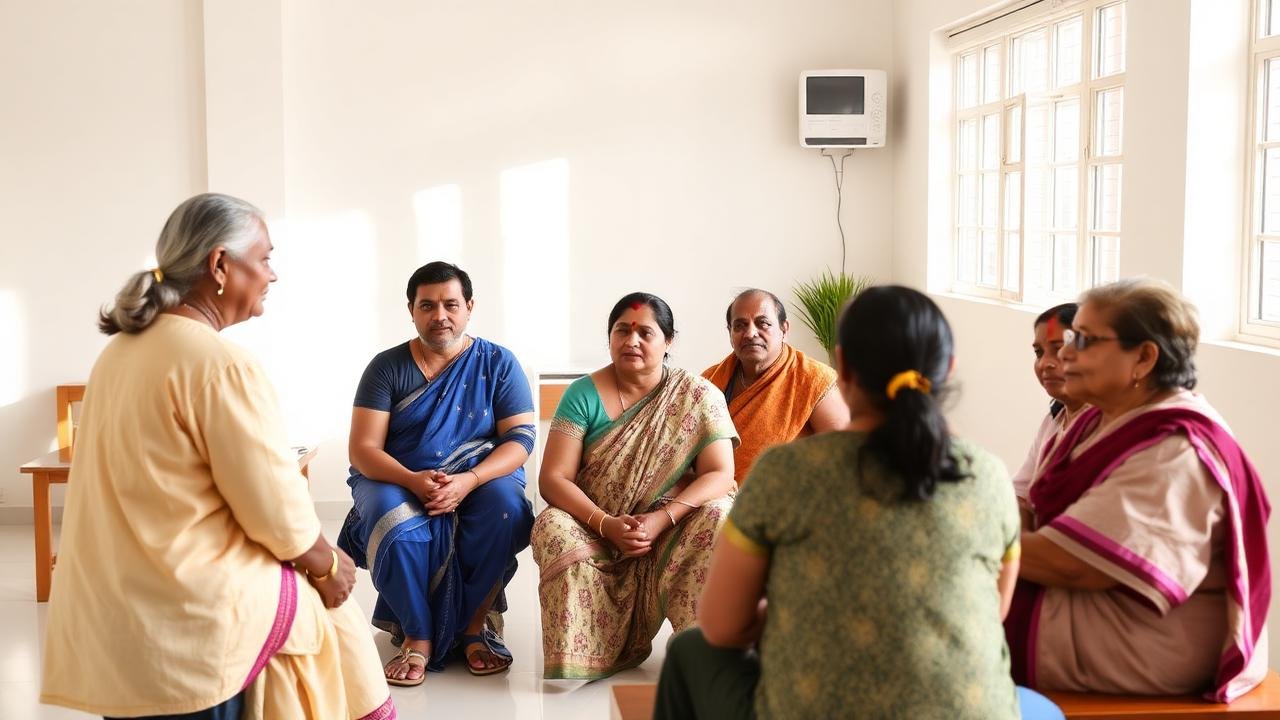

Can you simply stop drinking?
For an occasional drinker, stopping alcohol may cause no significant withdrawal. But a person who has developed alcohol dependence can experience withdrawal symptoms and, in some cases, serious complications. For a heavy or dependent drinker the safest first step is medical assessment — not unsupervised detoxification.
Signs that dependence may have developed
- Drinking every day or almost every day
- Needing larger quantities for the same effect
- Morning drinking and strong cravings
- Trembling, sweating or anxiety when alcohol is unavailable
- Difficulty sleeping without alcohol
- Repeated failed attempts to quit
- Continuing to drink despite health, family or work problems
What happens when alcohol is stopped?
Withdrawal can include tremors, sweating, anxiety, irritability, nausea, headache, insomnia, raised pulse and agitation. Some individuals develop more serious complications such as seizures or delirium.
Who may need supervised withdrawal?
Medical supervision matters most where there is a history of severe withdrawal or seizures, significant physical illness, psychiatric illness, heavy dependence, multiple substance use or inadequate support at home. The right setting should be decided by a healthcare professional.
Detox is only the first step
Physical withdrawal and addiction recovery are different problems. Once withdrawal settles, the reasons behind repeated drinking still need work — usually a combination of counselling and other psychosocial interventions, with medicines where clinically appropriate.
Identify your drinking triggers
Common triggers include stress, arguments, loneliness, social gatherings, particular friends, salary day, work pressure, poor sleep, anxiety and easy access to alcohol. Naming your own triggers lets a recovery plan be built around them.
Family support
Families should support treatment but must not prescribe medicines or attempt a risky detox themselves. A spouse or parent can arrange assessment, attend family counselling and support adherence to the plan.
When to seek urgent medical attention
Seizures, severe confusion, hallucinations, marked agitation, loss of consciousness or rapidly worsening physical symptoms after stopping alcohol need urgent medical evaluation.
Frequently asked questions
Can I stop alcohol at home?
Some people can; others should not attempt unsupervised withdrawal. Risk depends on severity of dependence and health status.
How long does alcohol withdrawal last?
The course varies between individuals and should be monitored clinically.
Is willpower enough?
Addiction is not simply weak willpower. It often needs medical, psychological and social interventions together.
Note: This article is for general information and awareness only and is not medical advice, diagnosis or treatment. Alcohol and drug dependence should be assessed and treated by qualified healthcare professionals. In an emergency, seek immediate medical attention.